
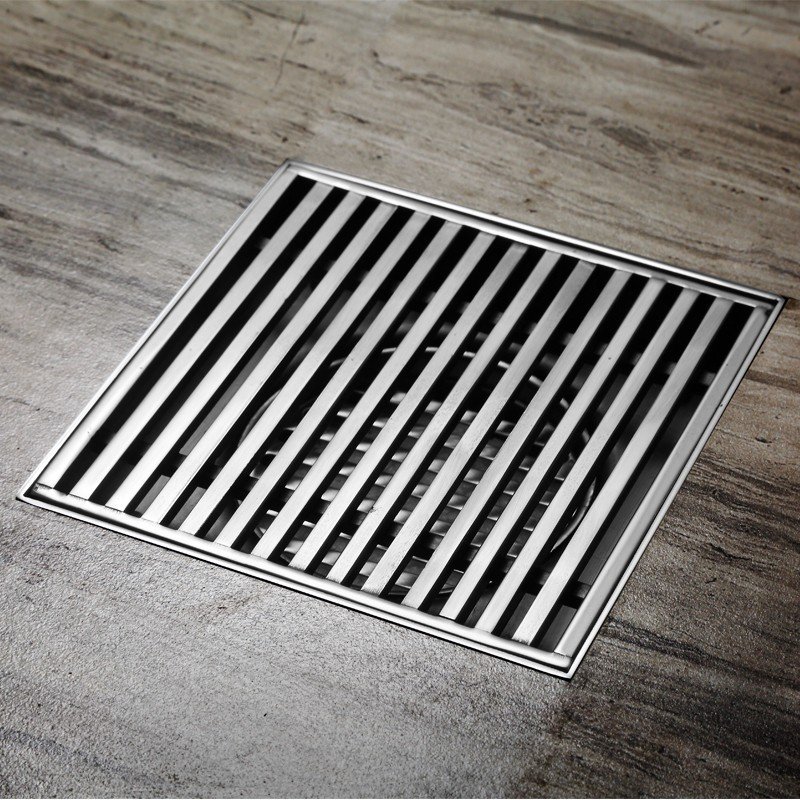
In the intricate tapestry of maintaining a clean and healthy home, the often-overlooked hero is the floor drain system. While it may seem like a minor detail in the grand scheme of bathroom design, a well-designed floor drain system plays a crucial role in ensuring a hygienic and pleasant environment. This comprehensive guide delves into the importance of floor drain systems, their components, and how they contribute to maintaining a healthy bathroom space.
The Foundation of a Hygienic Bathroom:
Understanding the Significance of Floor Drain Systems:
A healthy bathroom environment begins with effective drainage. Floor drain systems are designed to swiftly remove excess water, preventing stagnant pools that can become breeding grounds for bacteria and unpleasant odors. Proper drainage not only enhances hygiene but also contributes to the overall safety of the bathroom, preventing slips and falls.
Key Components of a Floor Drain System:
Grates and Covers:
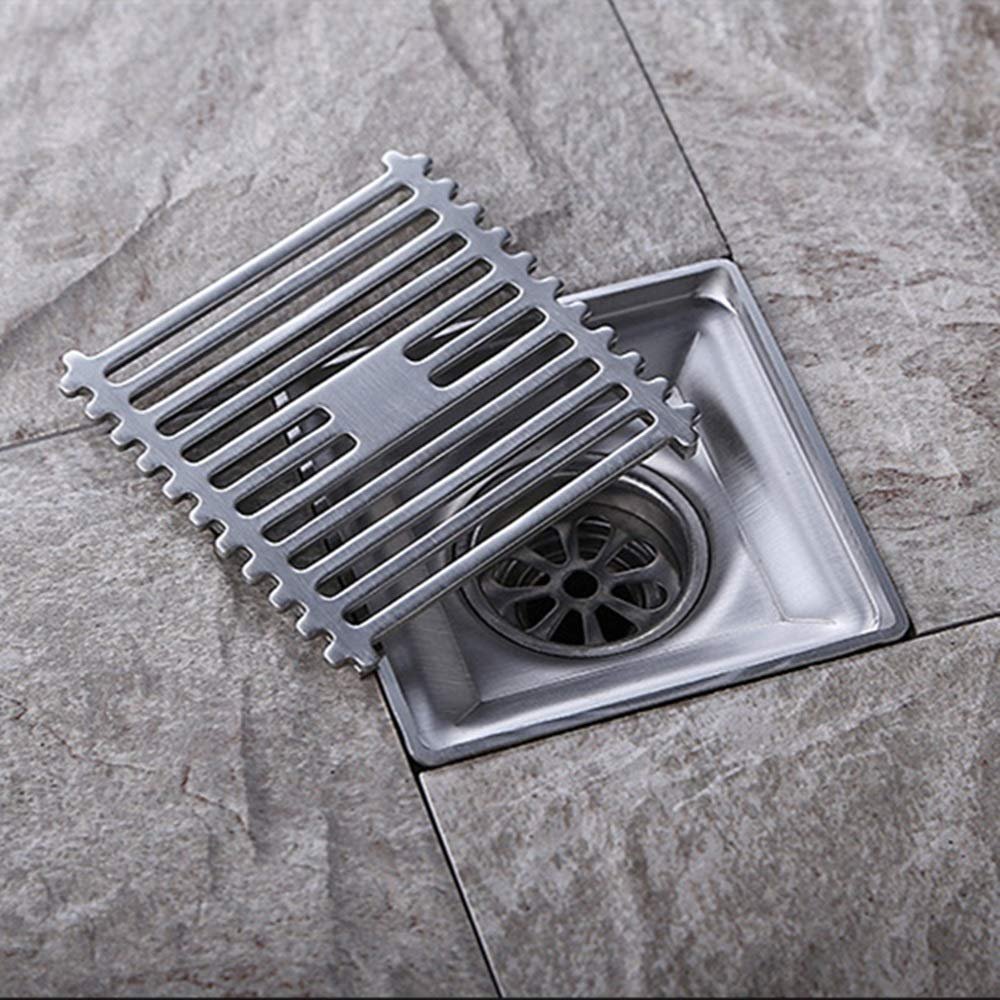
The first line of defense against debris and foreign objects, grates and covers are essential components that prevent clogs and ensure smooth water flow. They come in various materials and designs, offering both functionality and aesthetic appeal.
Traps:
Traps are designed to retain a small amount of water, forming a seal that prevents sewer gases from entering the bathroom. This not only maintains a fresh atmosphere but also acts as a barrier against potential health hazards.
Piping System:
The intricate network of pipes beneath the bathroom floor plays a pivotal role in guiding water away from the living space. Quality materials and proper installation are imperative to prevent leaks and ensure the longevity of the floor drain system.
The Role of Floor Drain Systems in Hygiene:
Preventing Water Damage:
Mold and Mildew Prevention:
Stagnant water is a breeding ground for mold and mildew. An efficient floor drain system prevents water accumulation, reducing the risk of these harmful substances, which can adversely affect indoor air quality and trigger respiratory issues.
Structural Integrity: Excess water can compromise the structural integrity of a building. A well-maintained floor drain system prevents water damage, preserving the longevity of the entire structure.
Mitigating Foul Odors:
Sewer Gas Prevention:
The presence of sewer gases in a bathroom can lead to foul odors and pose health risks. A properly installed floor drain system with effective traps prevents the entry of these gases, ensuring a pleasant and odor-free environment.
Bacterial Growth Control:
Stagnant water provides an ideal environment for bacterial growth. By swiftly draining water away, floor drain systems help control the proliferation of harmful bacteria, contributing to a healthier bathroom space.
Maintenance and Cleaning Tips:
Regular Inspections:
Visual Checks: Periodic visual inspections of the floor drain system can identify potential issues such as clogs or corrosion. Timely detection allows for proactive maintenance, preventing larger problems down the line.
Professional Inspection: Engaging the services of a professional plumber for an annual inspection ensures that the floor drain system is functioning optimally. They can identify and address any issues before they escalate.
Routine Cleaning:
Debris Removal: Regularly removing debris from grates and covers prevents clogs and ensures smooth water flow. This simple yet effective maintenance task goes a long way in preserving the efficiency of the floor drain system.
Flushing with Hot Water:
Periodic flushing with hot water helps dislodge accumulated soap scum, grease, and other substances that may hinder proper drainage. This eco-friendly approach is a preventive measure against clogs.
Innovation in Floor Drain Systems:
Smart Drainage Solutions:
Sensor-Activated Drains:
In the era of smart homes, sensor-activated drains are gaining popularity. These drains open automatically when water is detected, reducing the need for physical interaction and promoting a touch-free, hygienic experience.
Anti-Bacterial Coatings:
Some modern floor drain systems come with anti-bacterial coatings that inhibit the growth of harmful microorganisms. This added layer of protection contributes to a more sanitary bathroom environment.
Sustainable Practices:
Water Recycling Systems: Forward-thinking floor drain systems integrate water recycling features, allowing homeowners to repurpose greywater for non-potable uses. This eco-friendly approach aligns with the growing trend of sustainable living.
Low-Flow Design:
Floor drain systems with low-flow design not only conserve water but also contribute to energy efficiency. By reducing water consumption, these systems align with environmentally conscious practices.
In the pursuit of a clean and healthy home, the role of floor drain systems cannot be overstated. From preventing water damage to mitigating foul odors, these seemingly humble components form the foundation of a hygienic bathroom environment. By understanding the significance of each component, embracing innovative solutions, and adopting proactive maintenance practices, homeowners can ensure that their floor drain systems not only function optimally but also contribute to a healthier and more sustainable living space. Elevate your bathroom experience by investing in a quality floor drain system – the silent guardian of hygiene and well-being.
Top of Form
Visit our website www.tuffbathrooms.com to see more on the bathroom quality products and see how to elevate your bathroom to the modern design