
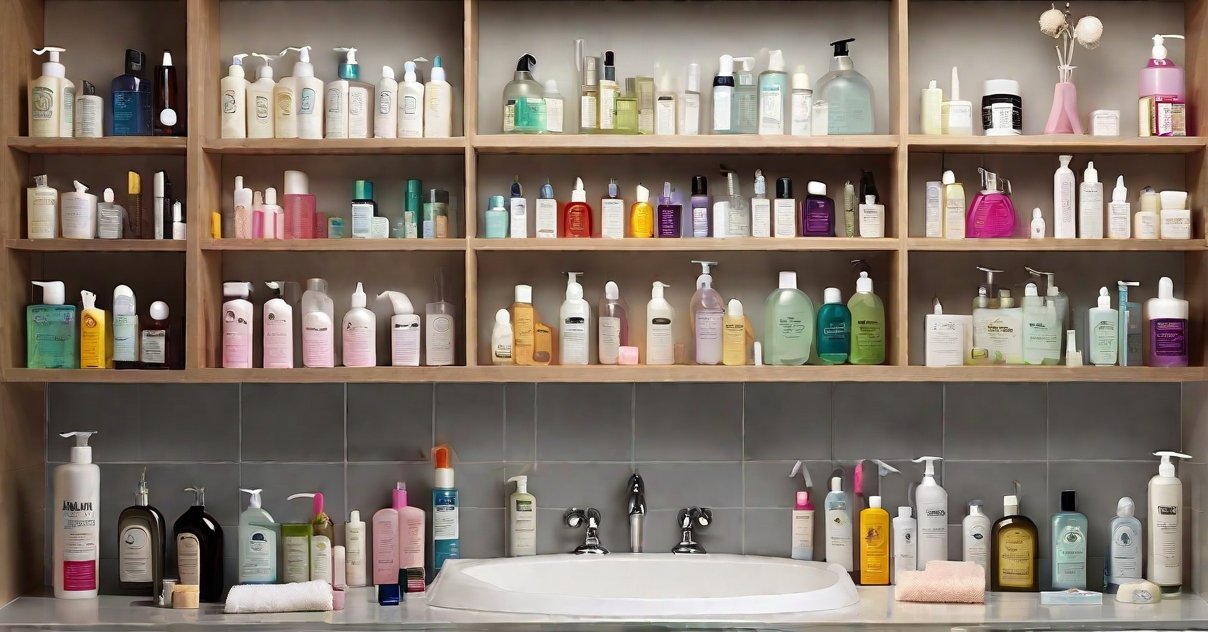
In the pursuit of a clean and tidy home, many of us unknowingly expose ourselves to potential health hazards through the use of common household chemicals. This article aims to shed light on the unseen health risks associated with these products and suggests safer alternatives for a healthier living environment.
The Silent Threat in Everyday Cleaners:
Household cleaners often contain a cocktail of chemicals that can have adverse effects on our health. Volatile Organic Compounds (VOCs) present in many cleaning products can contribute to indoor air pollution, leading to respiratory issues and other health concerns.
Skin-deep Dangers:
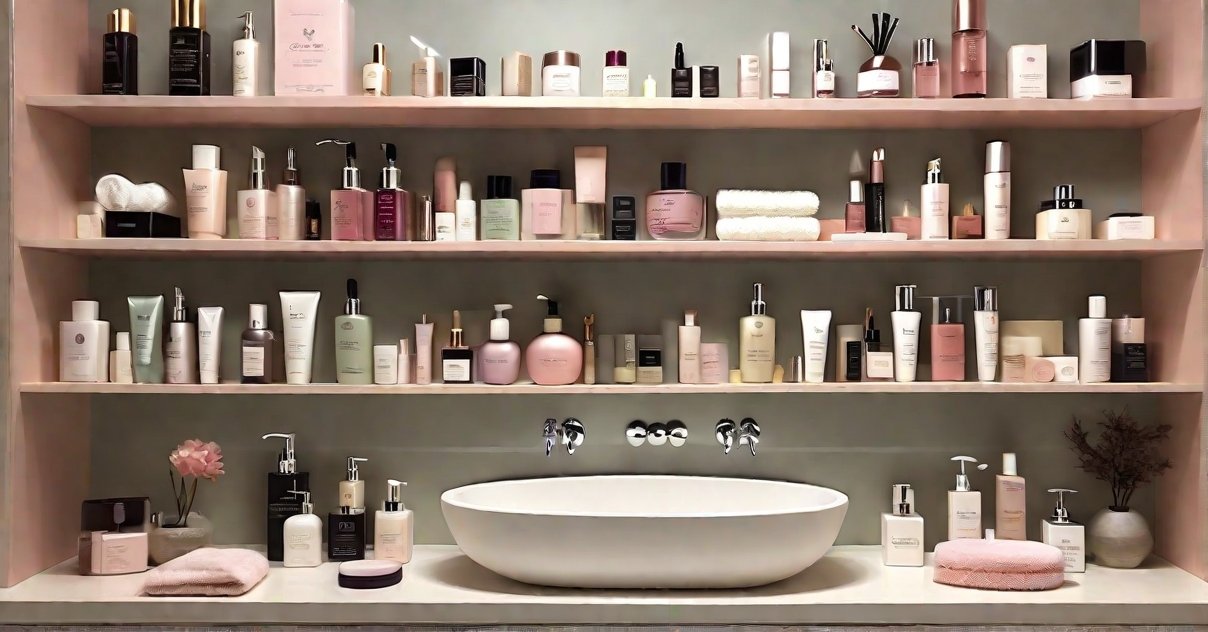
Personal care products, including shampoos, soaps, and cosmetics, may contain harmful substances such as parabens and phthalates. These chemicals can be absorbed through the skin, potentially disrupting the endocrine system and causing long-term health issues.
The Respiratory Toll:
Air fresheners and aerosol sprays may seem harmless, but they often release pollutants that can irritate the respiratory system. Formaldehyde, found in some air fresheners, is a known respiratory irritant and can be particularly harmful, especially for individuals with pre-existing conditions.
Safer Cleaning Alternatives:
Transitioning to natural cleaning alternatives can significantly reduce health risks. Ingredients like vinegar, baking soda, and lemon can be powerful allies in maintaining a clean home without the harmful side effects associated with conventional cleaners.
Green Personal Care Choices:
Opting for personal care products labeled as “paraben-free” or “phthalate-free” can be a step towards a healthier lifestyle. Exploring natural and organic brands can offer effective alternatives without compromising on cleanliness.
DIY Solutions for a Healthier Home:
Embracing do-it-yourself solutions allows for greater control over the ingredients used in household products. Simple recipes for homemade cleaners and personal care items can be both cost-effective and environmentally friendly.
Educating for a Healthier Future:
Increasing awareness about the potential health risks associated with household chemicals is crucial. Educational initiatives and community outreach can empower individuals to make informed choices for the well-being of their families.
Creating a Healthier Home Environment:
Improving indoor air quality, investing in houseplants, and proper ventilation are essential steps in creating a healthier living space. These measures complement the shift towards safer alternatives, promoting overall well-being.