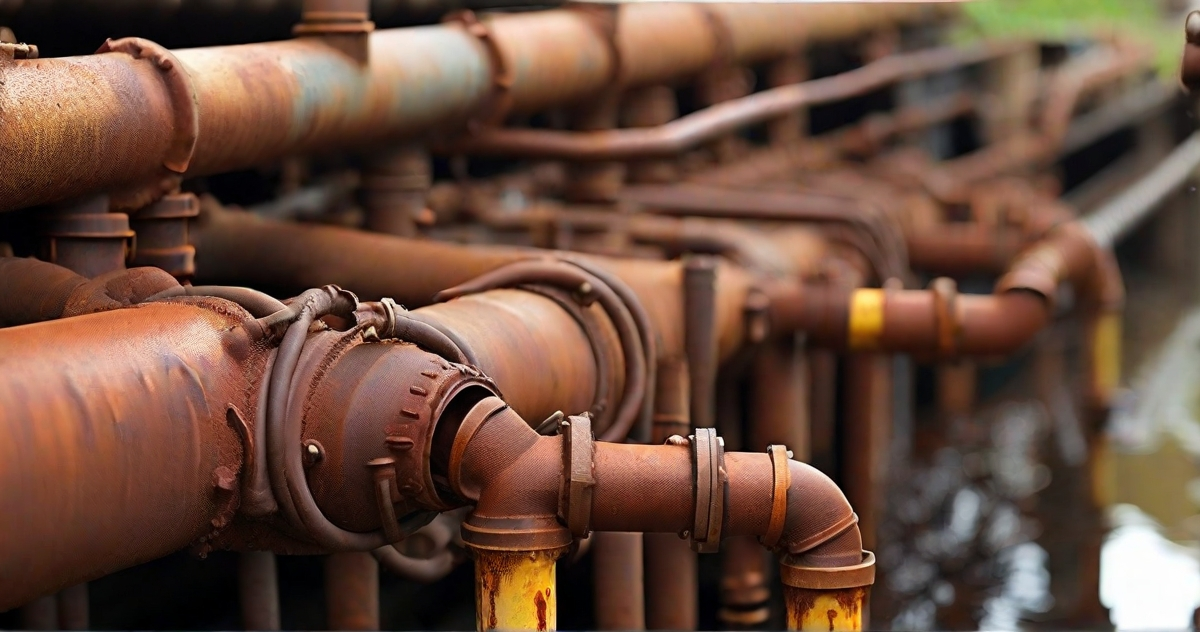
Corrosion:
Over time, pipes can corrode due to exposure to water and minerals, leading to leaks. To prevent this, use corrosion-resistant materials.
High Water Pressure:
Excessive water pressure can stress pipes, causing leaks. Install a pressure regulator to maintain a safe pressure level.
Pipe Joints and Connections:
Poorly sealed joints and connections are prone to leakage. Ensure proper installation and regular inspections.
Freezing Temperatures:
Cold weather can cause pipes to freeze and burst. Insulate pipes in colder regions to protect them.
Age of Pipes:
Aging pipes are more susceptible to leaks. Consider replacing old pipes to avoid future problems.
Preventive Measures:
Regular Inspection:
Conduct routine checks for any signs of corrosion, damage, or leaks, and address issues promptly.
Proper Installation:
Ensure pipes, joints, and connections are installed correctly by professionals.
Maintain Consistent Pressure:
Install pressure regulators to maintain water pressure within safe limits.
Insulation:
Insulate pipes in unheated areas to prevent freezing during cold weather.
Replace Aging Pipes:
Consider replacing old or deteriorating pipes to prevent future leaks.
By addressing these common causes and taking preventative measures, you can reduce the risk of leaky pipes in your building.